Ready to Start Your Project? Schedule a Consultation Today!
Ready to Start Your Project? Schedule a Consultation Today!

Ready to Start Your Project? Schedule a Consultation Today!
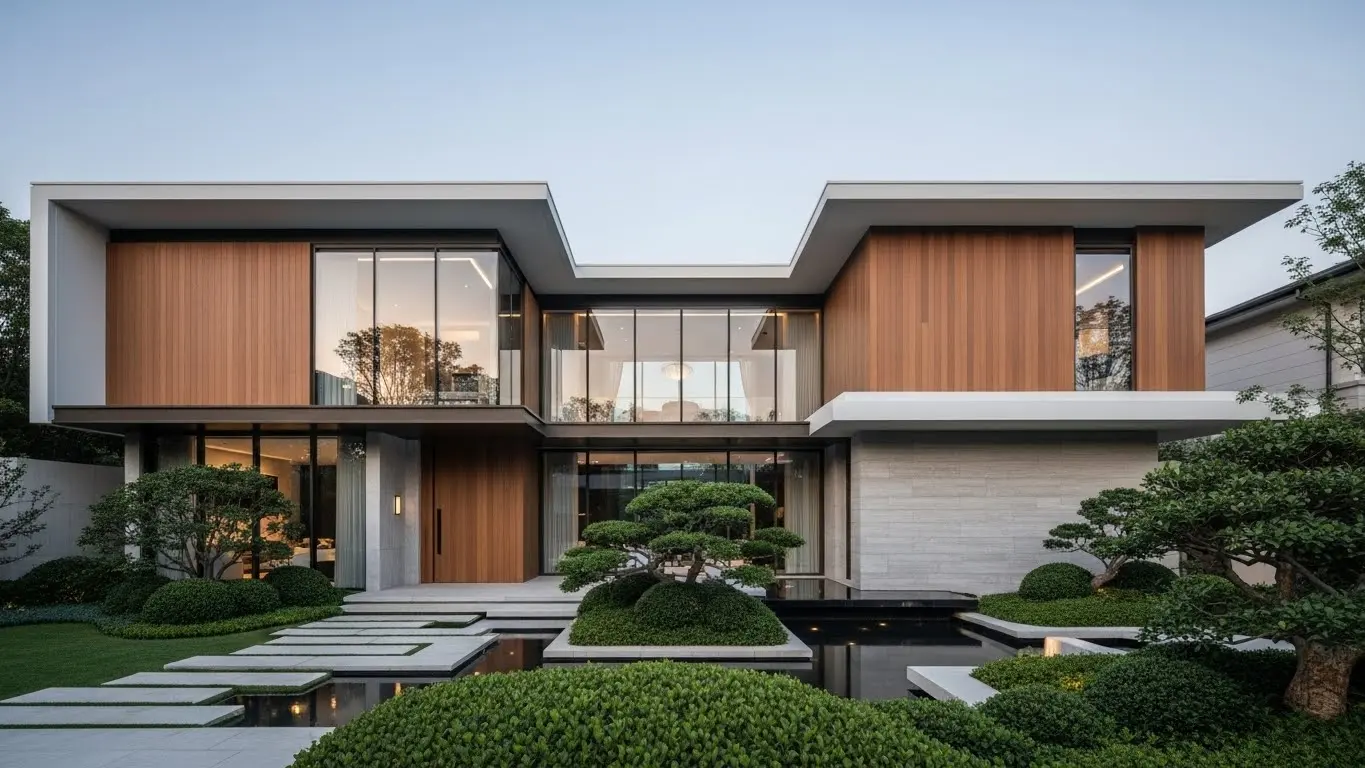
Residential design and construction are evolving rapidly as homeowners demand smarter, more efficient, and more sustainable living spaces. Today’s homes are no longer just about aesthetics—they are about functionality, technology, comfort, and long-term value.
In this article, we explore the top trends shaping modern residential design and construction, and how these trends are influencing the way homes are built today.
Open floor plans remain popular, but modern designs now focus on clearly defined zones within open spaces.
Key features include:
This approach maintains openness while improving privacy and usability.
Sustainability is no longer optional—it’s expected. Modern residential construction emphasizes:
These materials reduce environmental impact while improving indoor air quality.
Homeowners increasingly prioritize lower utility costs and reduced energy consumption.
Popular features include:
Energy-efficient homes offer long-term savings and higher resale value.
Smart home technology is now a standard expectation rather than a luxury.
Common integrations include:
Builders are designing homes with future-proof infrastructure to support evolving technology.
Modern residential design favors simplicity and clean lines.
Key characteristics:
Minimalist design creates calm, clutter-free living environments.
Homeowners increasingly value usable outdoor spaces as extensions of their homes.
Trending features include:
This trend enhances lifestyle quality and property value.
With remote work and multi-generational living on the rise, flexibility is essential.
Popular solutions:
Flexible design ensures long-term usability.
Modern construction increasingly uses prefabricated elements to improve efficiency.
Benefits include:
These methods help deliver projects on time and within budget.
Homeowners prefer materials that balance aesthetics with longevity.
Trending choices:
Lower maintenance means reduced lifetime ownership costs.
Modern homes prioritize occupant health and comfort through:
Healthy homes enhance daily living and overall well-being.
Modern residential design and construction trends reflect a shift toward smarter, healthier, and more sustainable living. By combining thoughtful design, advanced technology, and efficient construction methods, today’s homes are built to meet both current and future needs.
For homeowners, builders, and developers, staying informed about these trends ensures better design decisions, higher value, and long-term satisfaction.