Ready to Start Your Project? Schedule a Consultation Today!

Ready to Start Your Project? Schedule a Consultation Today!

Ready to Start Your Project? Schedule a Consultation Today!
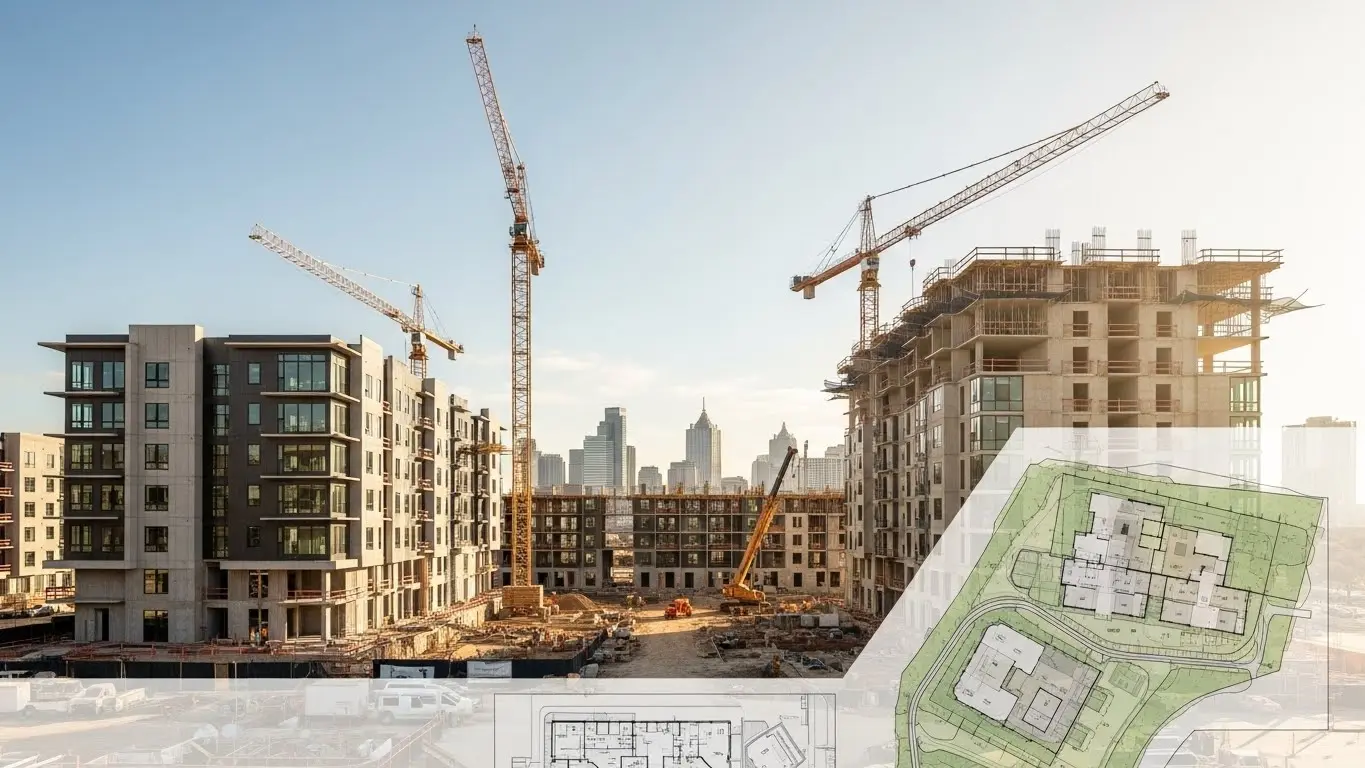
Texas continues to be one of the fastest-growing states in the U.S., making multi-family development an attractive investment opportunity. Strong population growth, business-friendly policies, and increasing housing demand create excellent conditions—but success depends on proper planning.
Before breaking ground, developers must understand Texas-specific regulations, market dynamics, costs, and risks. This guide covers the most important factors to consider before starting a multi-family development in Texas.
Texas markets vary widely. What works in Austin may not work in Houston or Dallas.
Before development, evaluate:
Key Texas markets for multi-family development include:
Choosing the wrong submarket can significantly impact project profitability.
Texas zoning laws are city-specific, not statewide. Before acquiring land, confirm:
Rezoning or variances can add months—or years—to your timeline.
Permitting timelines differ by municipality. Some Texas cities move quickly, while others require extensive reviews.
Expect approvals for:
Early coordination with local authorities can prevent costly delays.
Construction costs vary significantly across Texas due to labor availability and material pricing.
Key cost drivers include:
Accurate budgeting and contingency planning are critical.
Texas has no state income tax, but property taxes are among the highest in the U.S.
Developers should account for:
Failure to plan for operating expenses can reduce long-term returns.
Texas multi-family projects often rely on:
Lenders will closely review:
Engaging financial partners early strengthens your position.
Most Texas cities adopt versions of the International Building Code (IBC), but local amendments apply.
Ensure compliance with:
Code violations can cause redesigns and major delays.
Multi-family developments involve multiple stakeholders, contracts, and risks. An Owner’s Representative helps:
For out-of-state or first-time developers, owner representation is especially valuable in Texas markets.
Texas weather can affect construction schedules:
Proper scheduling and geotechnical analysis are essential.
Before starting construction, clarify whether the project is:
Your exit strategy influences:
Starting a multi-family development in Texas offers tremendous opportunity—but only for developers who plan carefully. Understanding local regulations, market demand, costs, and risk factors can mean the difference between a profitable project and a costly mistake.
With the right team, clear strategy, and experienced oversight, Texas remains one of the strongest markets in the country for multi-family development.